
The impact of social media on daily news hits us the second we wake up and grab our phones. Most of us see what is happening in the world on an app before we brush our teeth. We do not wait for the morning paper or the six o'clock evening broadcast anymore.
Here is the short truth. Social media makes breaking stories spread in seconds, gives normal people a voice, and lets us share updates for free. At the same time, it spreads fake rumors fast, traps us inside echo bubbles, and makes money tight for real newsrooms. It is a big shift that touches how we think and vote every single day.
Think about how your own morning looks. You unlock your screen, tap an app, and scroll through video clips of local traffic, quick updates about world politics, and posts from friends. That fast mix is now our main window to the world.
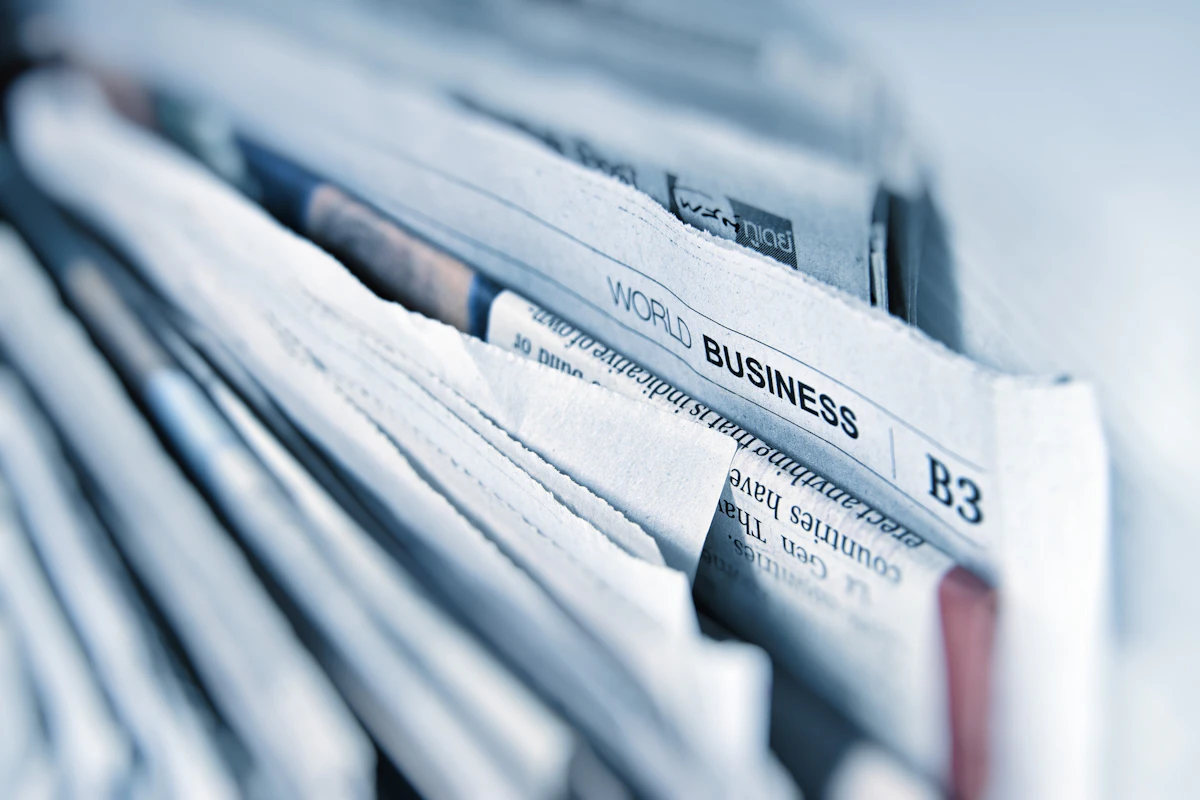
How Social Media Changed the Way We Get Our News
Years ago, news was a one-way street. Big TV stations and daily papers decided what was important. They gathered the facts, printed the copies, and sent them out. You sat and read what they chose to give you.
Today, that old model is upside down. According to research from the Pew Research Center, about half of American adults say they get news at least sometimes from social media platforms. Apps like TikTok, X, YouTube, and Instagram are now primary news hubs. Many younger adults never buy a paper or watch cable news at all.
You can see this shift everywhere. People want news in short, snappy pieces. We watch thirty-second clips on our lunch breaks instead of reading full three-page articles. Many readers now turn to a dedicated Daily News Best App: Top 5 Free Picks for 2026 to keep things sorted without losing control of their feeds.
Because we scroll so fast, the way stories look had to change too. Big headlines, bold text over video clips, and bright preview images rule the feed. If a story does not grab eyes in two seconds, readers just keep moving down the screen.
The Real Benefits of Getting News on Social Media
It is not all bad news. Social media brings plenty of great benefits to how we find out about the world. When something big happens, it can help people stay safe and informed in real time.
Lightning Fast Breaking News
When an earthquake strikes or a storm rolls in, official news teams take time to set up cameras. A local resident with a phone can post a video in three seconds flat. During power cuts or wild weather, apps help neighbors warn each other about blocked streets or downed power lines before road crews even get there.
Giving Regular People a Voice
In the past, ordinary people had little say in what made the evening broadcast. Now, anyone with a working smartphone can share what is happening on their street. Citizen reports have uncovered unfair working conditions, highlighted local community needs, and brought light to protests that big TV channels missed.
Free Access for Everyone
Buying daily print papers and paying for four different digital site fees can get pricey fast. Social media gives millions of readers quick access to daily updates without charging a dime. It lets folks stay aware of local elections, school meetings, and weather warnings on a tight budget.
What Are the Dangers and Challenges of Social News?
Fast access comes with major traps. The very design that makes feeds fun to scroll also creates huge headaches for real facts and fair reporting.
The Spread of Fake News and Scams
Anyone can write a wild story, slap a fake logo on it, and share it online. False reports spread faster than true ones because they make people angry or scared. During big elections or health emergencies, made-up claims spread like wildfire before anyone checks the facts.
We saw this clearly during recent winter storms. Fake warnings about empty gas stations caused thousands of drivers to panic and rush to the pumps. That panic created a real fuel shortage where none existed before.
Echo Bubbles and Algorithmic Bias
Social media feeds show you more of what you click. If you click on clips that support one political side, the app feeds you more of that exact view. Over time, you stop seeing other sides of the issue. People start thinking their own view is the only sensible one, which splits communities apart and makes friendly debates tough.
Clickbait Headlines That Mislead
Websites need clicks to make ad money. That leads to extreme headlines designed to shock you. A title might shout that a local bridge is falling down, but the article only talks about minor paint work. Many people only read the scary headline, share it with friends, and leave without checking the real facts.
How Journalism Has Changed Forever
Reporters do their daily jobs in a whole new way now. Years back, a journalist had all afternoon to call sources, verify quotes, and write a careful piece for the morning print. Today, speed is the name of the game.
A reporter at a courtroom or a fire scene often tweets quotes live from their seat. They post video updates from the sidewalk before they sit at a desk. If they wait two hours to write a full story, another outlet or a random user on the street beats them to the punch.
This rush causes mistakes. When reporters rush to be first, they sometimes share unconfirmed names or wrong details. Correcting a mistake online is hard because a false tweet travels around the world while the correction gets very few shares.
Local papers also face serious money troubles. Ad dollars that once paid for local reporters now go straight to big tech firms that run the social platforms. As small town papers close their doors, many towns have no full-time reporter watching their city council meetings or school boards. That leaves a void where rumors easily take root.
The Power of Social Media on Public Opinion
Social feeds do not just tell us facts. They shape how we feel about those facts. When millions of users share, like, or leave comments on a post, they build massive public pressure very quickly.
We see this often with big companies. If a customer shares a video of poor service or unfair treatment, it can get ten million views by dinner. The company often rushes to fix the problem, issue an apology, or change its store rules within twenty-four hours. That kind of speed never happened in the old days of phone calls and paper letters.
It also changes how politicians talk to voters. Instead of holding formal press conferences, leaders post short video clips directly to their accounts. They bypass tough questions from seasoned reporters and speak straight to their fans. That makes them feel closer to the public, but it also means fewer experts get to ask hard questions on our behalf.
Tracking these shifts is an ongoing focus for our team at the Daily News and Media hub, where we watch how online discussions shape real-world policies and everyday lives.
How to Spot Real News in a Crowded Feed
Since social feeds mix real facts with jokes, ads, and total lies, you need a quick game plan to protect yourself. You do not need to be an expert detective to stay smart online.
- Check the source: Did the story come from a verified news group or an account made last week?
- Read past the headline: Click through and read three paragraphs before you hit share.
- Look for other reports: If a huge story just broke, at least three big news outlets should have it.
- Watch for emotional traps: If a post makes you boiling mad in two seconds, pause. Someone might want you angry just to get your click.
- Check the date: Old photos and news stories often get reposted as if they happened ten minutes ago.
Taking just thirty seconds to check a claim before you share it can stop a bad rumor in its tracks. It protects your friends and keeps your own feed trustworthy.
Frequently Asked Questions
Why do people prefer social media over regular TV news?
Social media is fast, free, and always in your pocket. You can pick what topics you care about, watch short videos, and share your own thoughts in the comments. It fits easily into busy daily life.
How does social media affect public opinion on big topics?
It acts like a megaphone for trending ideas. When posts get thousands of shares and likes, people feel that everyone agrees with that point of view. It can rally millions to support a cause or push a company to change its rules overnight.
Can we trust breaking news posted on social media apps?
Early posts during breaking events often have wrong details. It is smart to wait a short while and check trusted outlets before you believe every video or post you see.
The impact of social media on daily news is not going away. It gives us instant updates and real power to share our world, but it asks us to be careful readers every time we unlock our phones. How do you check what is real when you scroll through your daily feed?


0 Comments